Tag Archives: learning process

Wholistic Working Memory (EF Skills Series)

The book, Smart but Scattered by Richard Guare and Peg Dawson defines the Executive Function skill of Working Memory as: The ability to hold information in memory while performing complex tasks. It incorporates the ability to draw on past learning or experience to apply to the situation at hand or to project into the future.  The significance here lies in the ability to hold information in the memory FROM previous learning schema while performing complex tasks to apply the learning to a future project or learning that may or may not have the same qualities required from an earlier learned concept but can approach with the sieved information.

In light of how layered and fast-paced the interactions can be with the push toward generated artificial intelligence, from person-to-person output to productive work, the academic, lab-defined working memory which we are all used to as expressed by Smart but Scattered are influenced by numerous societal factors, and a shift in demands. Let’s begin to explore here what first is and has remained the same with the development of working memory before delving into what is new.

Researchers Cheng, C., & Kibbe, M. M. (2024). conducted a study on Children’s use of reasoning by exclusion to infer objects’ identities in working memory. Journal of Experimental Child Psychology, 237, 105765. They emphasize that to achieve cognitive goals in the face of incomplete information, a learner can use logical reasoning to make inferences about what they don’t know based on what is already known.  Reasoning by exclusion therefore is a powerful means of resolving representational uncertainty without needing to exert excess physical effort (such as walking over to the other dish and lifting the lid) to do so. Successful reasoning by exclusion requires children to rely on working memory, however, their working memory is severely capacity-limited and undergoes substantial developmental increases in capacity between infancy and late childhood (Cheng and Kibbe, 2022, Cowan, 2001, Cowan, 2016, Cowan et al., 2015, Kibbe, 2015, Leslie et al., 1998, Pailian et al., 2016, Simmering, 2012).

On the one hand, the ability to reason by exclusion about uncertain/unknown object locations or identities may impose greater demands on working memory than simply storing representations of a known array of items. This is because reasoning by exclusion tasks often require children to store uncertain or unknown representations in working memory, and then update those representations once they receive the relevant disambiguating information. The researchers also claim that the reasoning-by-exclusion process itself may incur some cognitive cost above and beyond the costs of updating working memory because children may need to expend cognitive effort to make inferences about unknown information from known alternatives.  Inferring unknown object properties from known alternatives therefore may be more demanding and more error-prone than storing known information in working memory, and as the working memory load increases children’s reasoning by exclusion abilities may be more limited, creating an inverse relationship the younger the child.  Under this possibility, reasoning by exclusion might not impose significant additional demands on working memory, and reasoning by exclusion should not be negatively affected by increasing working memory load (or indeed, reasoning by exclusion may even become more reliable as working memory is taxed), and we would be unlikely to see improvements in reasoning by exclusion abilities as working memory capacity increases with development and age.

What we would model for children even in this hyper-digital age is to practice skills of inferencing and exclusion inherent in repetition of skills-based conceptual learning in contrast to procedural learning alone for generalization of the working memory capacity. Literacy learning is especially rich with such an introduction to concepts, as explained in the study,
THE ROLE OF FICTION IN IMPROVING THE INTELLECTUAL POTENTIAL OF STUDENTS by Rakhmonova Dilfuza MakhmudovnaTeacher of Pedagogy department Bukhara State University.

The researchers say that a child’s passion for reading, and constant interest in reading is formed from experiences in the family. Early exposure determines a child’s internalization of the basic habit of reading. Many teachers guarantee that the success of developing an interest in reading poetic literature among elementary school students depends on the participation of parents in encouraging genre exposure. Children require a “reading text-rich environment” to focus children’s attention not only on the plot but also on the intellectual methods of the language of fairy tales, stories, elegy, and other works of poetic literature. Over time, children develop a preference for literary works and a poetic taste which develops the layers of working memory language. Research has shown that reading works of art always performs cognitive, aesthetic, and educational functions and forms the child’s emotional sphere, moral and aesthetic ideals, views, and attitudes. Knowledge of literature is of great importance for developing a child’s creative inclinations. Reading fiction stimulates the creative imagination, allows the imagination to work, and teaches children to think in images. Reading develops cognitive interests and broadens one’s worldview.

Educators, psychologists, and philologists are worried that in this hyper-digital, post-COVID-19 learning environment, the utilization of books is being replaced by non-literary digital content and computer products. Poetic literature serves as a tool for multifaceted development: it develops memory, speech, and creative imagination, teaches children to think in images, and expands their vocabulary and worldview. Also, figurative memory develops and improves working memory and stability of attention, mental activity depends on it.

The interaction with literary contexts allows children to develop imagination and hold scenarios in their consciousness, laying the foundation of explorative activity, curiosity, general culture, and knowledge. Then how do working memory components develop further after or parallel to the continuing literacy exposure and interaction? The answer is to then encourage the cooperative functioning of the three core executive functions (inhibition, working memory, and cognitive flexibility), which develop significantly across childhood and well into adolescence (Wiebe & Karbach, 2017). They are excellent predictors of learning outcomes and academic performance (e.g., Johann & Karbach, 2021), and in turn, they are impaired in many developmental and learning disorders (e.g., Barkley, 1997Brandenburg et al., 2015). The fact that working memory was significantly associated with problem-solving performance confirmed our expectations and is in line with previous research (Greiff et al., 2016Viterbori et al., 2017).

Schäfer, J., Reuter, T., Leuchter, M., & Karbach, J. (2024). Executive functions and problem-solving—The contribution of inhibition, working memory, and cognitive flexibility to science problem-solving performance in elementary school students. Journal of Experimental Child Psychology, 244, 105962. investigated the individual contribution of inhibition, working memory, and cognitive flexibility to science problem-solving performance in elementary school children. They found that structural equation modeling showed that working memory and cognitive flexibility individually contributed to problem-solving performance, whereas inhibition did not. Maintaining task requirements and dynamic object relations (working memory) and switching between different problem-solving phases (cognitive flexibility) are essential components of successful science problem-solving in elementary school children. Inhibitory processes may be more relevant in tasks involving a higher degree of interference at the task or response level.

This finding suggests that working memory enables elementary school children to keep track of task requirements, previously applied strategies, and dynamic spatial interdependencies between different task-relevant objects, of which literacy exposure could be a factor in the interdependence of the interaction with cognitive flexibility. These object interdependencies are based on rule-based principles of turning direction and turning speed of connected gears and of ways to stabilize building block constructions (Schäfer et al., 2024a).

Now when we speak about children up to this point, we have been referring to neurotypical learners. For neurodiverse students especially those who may have developmental language disorder, early exposure to literary texts and dynamic spatial play components may not be sufficient to spark the natural nurtured growth of wholistic working memory. To be specific there are verbal short-term memory (vSTM) and verbal working memory (vWM) components that need to also be included in the training of these children for daily life and tasks to be performed independently.

Bachourou, T., Stavrakaki, S., Koukoulioti, V., & Talli, I. (2024). Cognitive vs. Linguistic Training in Children with Developmental Language Disorder: Exploring Their Effectiveness on Verbal Short-Term Memory and Verbal Working Memory. Brain Sciences, 14(6), 580. found in their study that far-transfer memory effects can actually occur for children with DLD (meaning, language therapy can affect vSTM and vWM) in addition to direct and near-transfer memory effects. Far-transfer memory is the ability to apply knowledge or skills acquired in one context to a different context or domain, while Near-transfer memory is the ability to apply existing knowledge in one context to another because of related or identical elements. Both are extremely important components of working memory in language for all children and adults.

These data also show that the combination of different treatment methods and especially the treatment type order during their research may be a significant matter in improving deficient memory abilities in DLD.  Specifically, while the children whose intervention was driven by language-first benefited more from receiving the language therapy first improving their verbal STM, the children whose intervention was cognitive-first benefited more from receiving the cognitive therapy first improving their verbal WM. Apparently, performance on vSTM tasks may be more closely related to linguistic demands than that on vWM, and linguistic demands are expected to be more complex and mastered the older the child becomes in the formal educational environment. The memory of language syntax however relies heavily on how developed a child’s cognition which as they found influences their verbal working memory.

With the challenges in linguistic expression, there are also effects of memory underdevelopment or impairment with social functioning within peers and within the learning communities the children belong to. Bullard, C. C., Alderson, R. M., Roberts, D. K., Tatsuki, M. O., Sullivan, M. A., & Kofler, M. J. (2024). Social functioning in children with ADHD: an examination of inhibition, self-control, and working memory as potential mediators. Child Neuropsychology30(7), 987–1009. posits that behavioral inhibition and working memory difficulties have been linked with social functioning deficits, but to date, most studies have examined these neurocognitive problems either in isolation or as an aggregate measure of social problems, and none has considered the role of self-control. Thus, it remains unclear whether all of these executive functions are linked with social problems or if the link can be more parsimoniously explained by construct overlap.

Their study consisted of fifty-eight children with ADHD and 63 typically developing (TD) children who completed tests assessing self-control, behavioral inhibition, and working memory; parents and teachers rated children’s social functioning. Examination of potential indirect effects with the bootstrapping procedure used in the study indicated that working memory mediated the relation between group membership (ADHD, TD) and child social functioning based on teacher but not parent ratings. Behavioral inhibition and self-control did not have direct relations with either parent- or teacher-rated social functioning. These findings point to important differences regarding how executive functioning difficulties manifest at school compared to home, as well as the specific executive function components that predict ADHD-related social difficulties.

Another viewpoint on the different manifestations of how working memory manifests between neurodiverse learners versus atypical learners may also be explained through the Attentional Control Theory or ACT, an extension of the Processing Efficiency Theory or PET. The Attentional Control Theory (ACT) posits that, while trait anxiety may not directly impact performance, it can influence processing efficiency by prompting the use of compensatory mechanisms, which apply to both types of learners. The specific nature of these mechanisms, which might be reflective, is not detailed by the ACT.

Cécillon, F., Mermillod, M., Leys, C., Bastin, H., Lachaux, J., & Shankland, R. (2024). The Reflective Mind of the Anxious in Action: Metacognitive Beliefs and Maladaptive Emotional Regulation Strategies Constrain Working Memory Efficiency. European Journal of Investigation in Health, Psychology and Education, 14(3), 505-530 conducted a study to explore further the relationship of ACT and emotional dysregulation and mental states as they affect working memory.

Participants engaged in two working memory exercises: the digit span task from the WAIS-IV and an emotional n-back task. Their findings indicated that anxiety, metacognitive beliefs, and maladaptive ERSs did not affect task performance but were correlated with increased response times. Several regression analyses demonstrated that a lack of confidence in one’s cognitive abilities and maladaptive ERSs predict higher reaction times (RT) in the n-back task. Additionally, maladaptive ERSs also predict an increased use of strategies in the digit span task. Finally, two mediation analyses revealed that anxiety increases processing efficiency, and this relation is mediated by the use of maladaptive ERSs.

These results underscore the importance of the reflective level in mediating the effects of trait anxiety on efficiency. To explain these differences, the Processing Efficiency Theory (PET) posits that trait anxiety does not necessarily affect performance accuracy (effectiveness) in a task, but rather the speed and cognitive load (efficiency). In other words, for individuals who are predisposed to experiencing anxiety, the cognitive cost and speed of processing a task may be greater [5]. The theory proposes that anxious individuals allocate additional processing resources to implement compensatory strategies designed to improve their performance. According to Owens et al. [6], this advantage is possible for individuals with cognitive resources—such as high working memory, in their study—to compensate for or cope with the negative effects of anxiety. This is how Attentional Control Theory (ACT), an extension of the PET, predicts that the repercussions would be more likely to manifest when cognitive functions requiring attentional control are engaged [7,8]. It is possible that this emotional interference captures participants’ attention more strongly and leads them to make more errors when processing contrasting emotional stimuli. This interpretation may explain the higher frequency of total omission errors compared to emotional omission errors. The emotional alternation of responses may increase the cognitive load and engage participants’ attentional resources more, thereby facilitating the production of responses. These findings highlight the complexity of the interactions among emotions, attention, and decision-making. Commission errors may be influenced by emotional interference, while omission errors may be influenced by the emotional salience of stimuli.

Working memory therefore is directly influenced by an emotional state, especially as seen here when in a negative emotional state of anxiety. This would not be surprising then that the negative emotional states would also affect the rest of the physical body while learners become older and have increasing cognitive demands from their immediate environment.

Khandan, M., Ebrahimi, A., Zakerian, S. A., Zamanlu, M., & Koohpaei, A. (2024). Assessment of sleepiness role in working memory and whole-body reaction time. WORK found that even with experts recommending 7–9 hours of nightly sleep for adults and college-aged individuals,3 insufficient sleep poses significant challenges and health risks across all stages of life.6 Young adults experiencing insufficient sleep face both short- and long-term adverse health effects. They also found that lack of sleep affects neural activity in the frontal and parietal cortices, which are important areas for working memory.14 In some studies, problematic sleep, the possibility of negative behavioral consequences such as risk-taking due to the harmful effect on the development of cognitive functions of working memory,15 and the reduction of sleep duration and sleepiness with an increase in calculation error and a significant relationship have been reported by reducing working memory capacity.16 Moreover, with the restriction of sleep time, adolescents showed a decrease in attention, executive function, cognitive memory, positive mood, and greater sleepiness than the control group. In addition, in the control group, the processing speed increased as a result of repeated observation and learning, while in subjects with sleep restriction despite two periods of sleep recovery, their performance was still worse than that of the control group.17 On the other hand, reaction time is believed to be a good indicator of the speed and efficiency of mental processes and is a ubiquitous variable in behavioral sciences.18 In another study on college students, Xie et al. showed that poor sleep quality was related to depressed mood and independently predicted a decline in working memory capacity.36 The results of their study also showed a significant relationship between working memory and reaction time of the subjects. Wilhelm et al. supported the hypothesis that working memory performance is necessary for maintaining arbitrary bindings between stimulus representation and executive response.37 Importantly, Bahner et al. noted in 2006 that working memory can be a predictor of job performance, including this aspect of risk and occupational error while performing the assigned tasks or according to the simple reaction time reported.38 

Aside from working memory being influenced by literacy, neurodiversity, emotional states, and sleep, the rest of the physical activity experience of a learner contributes to the development of this EF skill.

Baniasadi, Tayebeh (Marjan), Comparison of Executive Function and Working Memory among Children with High and Low Levels of Physical Activity (June 29, 2024). International Journal of Education and Cognitive Sciences Volume 5, Issue 3, pp 11-17 conducted a cross-sectional design was employed, involving 269 children (128 girls) aged 9 to 12 years from regular schools in Tehran. Participants were selected using convenience sampling. Executive functions were assessed using the Behavior Rating Inventory of Executive Function (BRIEF), working memory using the Wechsler Intelligence Scale for Children – Fifth Edition (WISC-V), and physical activity levels using the Physical Activity Questionnaire for Children (PAQ-C). Data were analyzed using SPSS version 27, with descriptive statistics calculated and
independent samples t-tests were conducted to compare cognitive functions between high
and low physical activity groups.

Their results indicated significant differences between the two groups, suggesting that higher levels of physical activity are associated with better executive functions and working memory. Specifically, children with high levels of physical activity demonstrated significantly better executive functions (M = 53.67, SD =7.89) compared to those with low levels of physical activity (M = 56.79, SD = 8.22), with a t-value of -3.12 (p = .002). Similarly, working memory scores were higher for children with high levels of physical activity (M = 110.24, SD =14.78) than for those with low levels (M = 104.72, SD = 15.61), with a t-value of 3.58 (p = .0004). By demonstrating significant differences in executive functions and working memory between children with high and low levels of physical activity, this study underscores the importance of promoting physical activity among school-aged children.

Alternately, Zhao, Q., Wang, X., Li, F., Wang, P., Wang, X., Xin, X., Yin, W., Yin, S., & Mao, J. (2024). Relationship between physical activity and specific working memory indicators of depressive symptoms in university students. World Journal of Psychiatry, 14(1), 148 supports the positive correlation between physical activity and increasing working memory efficiency. Physical exercise is closely associated with depressive symptoms and working memory. Previous cross-sectional studies have found that physical activity is significantly negatively correlated with depressive symptoms[23,24], and the higher the level of participation in sports, the lower the risk of depression detection[25]; Physical activity can also improve depressive symptoms by improving working memory. Evidence shows[41] that physical exercise can provide sufficient nutrition and energy to the brain by increasing neurotransmitter content, promoting glial cell regeneration, improving synaptic plasticity, effectively regulating neurotrophic factor concentration, glucocorticoid hormone levels, morphology and structure of specific parts of the central nervous system, as well as the release of pro-inflammatory cytokines, and at the same time increasing brain plasticity and improving working memory. Furthermore, physical exercise increases the area of grey and white matter in the prefrontal, parietal, and temporal lobes[42], induces structural changes in the hippocampal volume and the vascular system[43], and significantly increases the number of newborn neurons[44], which, in turn, improves working memory capacity.

To conclude, a wholistic working memory capacity is influenced by early exposure to brain EF skill training using literary, physical activity, play, and positive emotional experiences throughout the learner’s lifetime, with specific intervention necessary for neurodiverse learners targeted to develop verbal working memory along with other EF skills.


Here We Go: School and Work 2.0

In the dissection of the word rebirth comes the prefix re- which means anew or afresh, while birth means the beginning or coming into existence of something, As many monikers have been given to the resumption of the midst of Covid-19 regulations and the slow burn of the worldwide pandemic, re-birthing is the closest single-word descriptor that would run the gamut of the experience right now.

The expectation that government regulations alone or science alone, not together as a unit, would cut down the life span of the virus as we have known it to be is a fault of object permanent thinking. It is after all safer to default to what is comfortable, the known black or white options than the combination of fidelity thinking. Fear or courage, anger or happiness, peace or war. We could be discussing literature themes with these high octane emotions however it does not stretch the imagination to see when one leaves the physical or digital cocoon that the either-or linear thinking is the driver of humans when faced with a problem not easily handled with prior learning or solutions.

We had discussed in previous articles how pro-social behaviors and the need for human interaction are the basis of societal stability, including the economic and academic worlds that have been in such heated contentious situations of late. Whoever said that idle hands are the devil’s playground did not take into account a forced stop, wherever one was, for longer than a few weeks. So it would make sense as people are (figuratively) dragged out of their homes and homely conditions back to what was once was normed, there will be re-birthing: kicking, screaming, and long-term adjustment.

But as mentioned, we have many brain states and developmental ages to think about in 2.0. We have the younger people who marked their schooling milestones in front of a computer screen instead of on a playing ground or person-to-person peer and teacher routine. And then there are the adults who have been lucky enough to love their jobs cause they loved them back, swing right back into it without missing a beat. And then we have those in-between who are school-aged to vocationally transitioning adults who had more than enough time in their hands to do versions of homework and self-work.

In the 2.0, there needs to be consideration of the shifts in skill sets and motivation for those skills. A curious question to ask is how did I tend to my critical thinking and literacy growth when forcibly paused? Did I overindulge in the reality to the point of paralysis? Or was I intentional in being an autodidact and directed a diet of reality, fantasy, and mindfulness worlds? How purposeful was I in conserving my energies when surrounded by the same people for those many weeks, a month?

The re-birthing of young minds into the rigor of classrooms reveals the sample size of how many adults are functioning. They first enter incautious, paralleled worlds, and the younger they are, especially if going back to school in a new environment, require a lot of effort in retooling their socializing selves. Add socializing with a mask, when you can read only the top half of a peer or school staff member’s face adds a layer of complexity — which of the emotions am I reading correctly if at all?

The whole idea that thinking critically was siloed for education or for that period where one was required to analyze text is so pre-pandemic. Without complete access to someone’s affect, body language is half calculated, or for those who have to be around a lot of people every day now, exaggerated so as not to be miscalculated. In a text from a section called Critical Literacy from a site that supports children’s literacy in the 20th century in Saskatchewan, CN, defines Literacy as a process that involves a continuum of interrelated skills, practices, and learnings that contribute to the development of an individual’s ability to understand, communicate, and participate in a variety of roles ( i.e., parent, citizen, and worker) and settings, in the home, at work, in education, and in the community.

In essence, Literacy includes Listening and speaking; reading and writing; observing, viewing and representing; numeracy; use of technology such as computers and other smart devices. Literacy is essential to and can influence the ability to think critically, make decisions, solve problems, and resolve conflicts. To further expand on critical literacy, the Brazilian educator and educator Paolo Freire in 1970 posits that, “Critical literacy views readers as active participants in the reading process and invites them to move beyond passively accepting the text’s message to question, examine, or dispute the power relations that exist between readers and authors. It focuses on issues of power and promotes reflection, transformation, and action.”

Now for the context of this article, reading is not limited to a written, visual exposition of the text. Reading here is the brain’s neuronal processing of an experience when stimuli are presented to it, either internally or externally propelled. The interpretation of what is read connects to the previous memories and experiences of the person ‘reading’ thus, the ‘text’ can be anything that causes thought to make inferences.

Ironically people read their living and nonliving environments all the time, actively or passively. The physical world interacts with the physical self first before the brain and the mind creates internal classifications of the experience – not at all similar to the binary experience of the emotions mentioned earlier. Neuronal pathways are constantly reassessing what was known to be committed as knowledge prior and reconfigured when necessary.

We are always critically receiving and giving literacy text without full awareness most of the time. To carve metacognition intended text production is key; questions need to be asked before statements, theories about other human experiences need to be tested before conclusions are drawn. Salisbury University’s Counseling Center adopts these 7 Critical Reading Strategies that are also significant for human contextual reading:

  1. PREVIEWING– learning about a text before reading it. Reviewing what the sensory systems are telling you as the reader of a person without adding judgment.
  2. CONTEXTUALIZING-placing a text in historical, biographical, cultural
    contexts
    , from the personal, local and to the global environments.
  3. QUESTIONING TO UNDERSTAND/REMEMBERasking questions about
    the content based upon the preview and the contexts to provide pre-hypothesis of the person whose experience is being read.
  4. REFLECTING ON CHALLENGES TO BELIEFS/ VALUES-examining
    personal responses and one’s previous emotional lives attached or detached from the person whose experience is being read.
  5. OUTLINING and SUMMARIZING– identifying main ideas and restating in
    your own words
    after making concrete connections to the text of the person being read and theories proven or disproven.
  6. EVALUATING AN ARGUMENTtesting logic of a text when there is volatility in the reading of the person’s experience that supports polarity within the self instead of clarity.
  7. COMPARING and CONTRASTING RELATED READING – exploring likenesses and differences, reaching for empathy and pro-social intentions when making connections.

Thus in the period of 2.0, read with care. At this rate, we are all emergent readers from a collectively conscious experience that only centenarians could navigate for and with us. Reading with purpose, reading with intensity, and becoming critically literate will see us and our brains on a steady course.

Electromagnets and the Servings of Hope

So got the latest iPhone and accessories? That will definitely speed productivity and social connections. Do you have children who are electronically savvy with these devices? Depending on who is doing the research, there may be a mixed bag of OOOHS and OH NOOOs.

EMF1Here we explain. Most of our speedy, high tech devices are powered by Electromagnetic Fields (EMFs). Cindy Sage, MA, and Nancy Evans, BS explain in their handout prepared for a website called Healthy Schools in 2011 in detail the kinds of EMFs that we encounter everyday:

Extremely low frequency electromagnetic fields (ELF-EMF) are generated from appliances and other items that  use electricity (power frequency fields).

Radiofrequency (RF-EMF) is generated by wireless technologies such as cellular and cordless phones.

“Dirty electricity” is a term used to describe low kilohertz frequency fields that can be thought of as an unintentional RF pollutant on electrical wiring and into living space. Power is “dirty” or polluted when it contains the high frequency signals flowing through overloaded wires, and not just the clean 60 Hz power that’s created at the source.

We are all aware of the benefits of modernization and upgrading to the latest gadgetry. We are able to cram as much work/leisure/information as possible in the shortest amount of time. It improves productivity, increases quantity of life skills, and promotes connectivity only science fiction writers used to dream about.  Ironically (good or bad), in 2010 MIT neuroscientists have now shown they can influence those judgments by interfering with activity in a specific brain region — a finding that helps reveal how the brain constructs morality. The researchers, led by Rebecca Saxe, MIT assistant professor
of brain and cognitive sciences disrupted activity brain region known as the right temporo-parietal junction (TPJ) by inducing a current in the brain using a magnetic field applied to the scalp.  The researchers used a noninvasive technique known as transcranial magnetic stimulation (TMS) to selectively interfere with brain activity in the right TPJ. The magnetic field applied to a small area of the skull creates weak electric currents that impede nearby brain cells’ ability to fire normally, but the effect is only temporary.

They found that the subjects’ ability to make moral judgments that require an understanding of other people’s intentions was impaired. The researchers believe that TMS interfered with subjects’ ability to interpret others’ intentions, forcing them to rely more on outcome information to make their judgments.

So EMFs literally can assist in changing our minds, literally. How about our health? And our young people’s development?

EMF2
A report commissioned by T-Mobile and Deutsche Telecom MobilNet GmbH prepared in 2000 reviews effects such as gene toxicity, cellular processes, effects on the immune system, central nervous system, hormone systems and connections with cancer and infertility. This was utilized by the Commonwealth Club of California’s Program on Health Effects of Cell Phones, Wireless Technologies & Electromagnetic Fields With Leading Experts in November 2010.

In their study, Dr Kerstin Hennies, Dr H.‐Peter Neitzke and Dr Hartmut Voigt in behalf of the Telecom companies found:

1. Given the results of the present epidemiological studies, it can be concluded that electromagnetic fields with frequencies in the mobile telecommunications range do play a role in the development of cancer. This is particularly notable for tumours of the central nervous system, for which there is only the one epidemiological study so far, examining the actual use of mobile phones.

2. Damaging effects on the immune system which can aid the development of illnesses as demonstrated higher secretions of stress hormones in humans.

3. Effects of high frequency electromagnetic fields on the central nervous system are proven for intensities well below the current guidelines.

4. The terms ‘electrosensitivity’ or ‘electromagnetic hypersensitivity’ describe disturbances of well‐being and impairments of health, such as they are suffered by certain sensitive people when working with or being in the presence of devices and equipment emitting electrical, magnetic or electromagnetic fields.

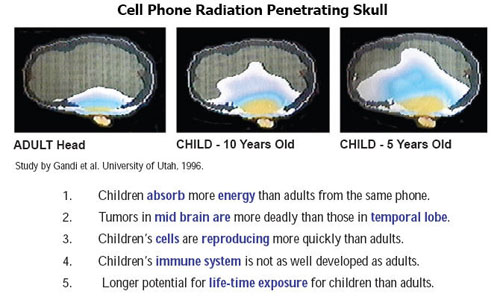
They also conclude: “A particular problem in this exposure group is posed by children and adolescents, not only because their organism is still developing and therefore particularly susceptible, but also because many cp-radiationadolescents have come to be the most regular users of mobile phones. Advertising towards this population group should be banned. Furthermore, particular efforts should be made to lower the exposures during calls. It would be recommendable to conduct (covert) advertising campaigns propagating the use of headsets. It would also be important to develop communications and advertising aiming at minimising the exposures created by carrying mobile phones in standby mode on the body.”

That was in 2000. That is not the case in 2015. Covert would not be the word for the in-your-hand ads aimed to the youngest demographic possible (e.g. no more teen data overages…hint hint). So what to do?

Here’s the practical, scientific approach recommended by experts: Use a corded phone (land line) as your regular telephone. If you need to use a cordless phone or cell phone, use a headset (wired only) whenever possible and/or use your phone on speakerphone. Text rather than talk. Keep your calls very brief, and hold your cell phone away from your head and body, especially when the phone is connecting your call. Children should not use cell phones or cordless phones. Studies show children have a five-fold risk of malignant brain tumors in a shorter time than adults. 

hope1The other recommendation? Healthy servings on Hope. The brain on hope supports a growing body of scientific evidence that points to the conclusion that optimism may be hardwired by evolution into the human brain. The science of optimism, once scorned as an intellectually suspect province of pep rallies and smiley faces, is opening a new window on the workings of human consciousness. What it shows could fuel a revolution in psychology, as the field comes to grips with accumulating evidence that our brains are constantly being shaped by the future.

Findings from a study  conducted a few years ago with prominent neuroscientist Elizabeth Phelps and Tali Sharot suggest that directing our thoughts of the future toward the positive is a result of our frontal cortex’s communicating with subcortical regions deep in our brain. The frontal cortex, a large area behind the forehead, is the most recently evolved part of the brain. It is larger in humans than in other primates and is critical for many complex human functions such as language and goal setting.

Using a functional magnetic resonance imaging (fMRI) scanner, the researchers recorded brain activity in volunteers as they imagined specific events that might occur to them in the future. Some of the events were desirable (a great date or winning a large sum of money), and some were undesirable (losing a wallet, ending a romantic relationship). The volunteers reported that their images of sought-after events were richer and more vivid than those of unwanted events.

This matched the enhanced activity observed in two critical regions of the brain: the amygdala, a small structure deep in the brain that is central to the processing of emotion, and the rostral anterior cingulate cortex (rACC), an area of the frontal cortex that modulates emotion and motivation. The rACC acts like a traffic conductor, enhancing the flow of positive emotions and associations. The more optimistic a person was, the higher the activity in these regions was while imagining positive future events (relative to negative ones) and the stronger the connectivity between the two structures.

The positive physiological effects of hope are well-documented, most recently by CNN in 2013  in Jerome Groopman’s “The Anatomy of Hope,” where he writes: “Researchers are learning that a change in mind-set has the power to alter neurochemistry.”  His research also showed that during the course of illness, belief and expectation have an impact on the nervous system which, in turn, sets off a chain reaction that makes improvement and recovery more likely. Groopman observed that hope does not just involve a mind-to-body connection, but also a body-to-mind connection, where neural input about one’s physical condition serves as a moderator of positive and negative emotions.

hope2Shane Lopez, author of the new book “Making Hope Happen,” believes hope is the stuff of change, recovery and healing. Hope is half optimism, Lopez explains. The other half is the belief in the power that you can make it so.There is a profound difference between hoping and wishing, he continues. Wishing encourages passivity, whereas hope represents an active stance.

“Wishing is the fantasy that everything is going to turn out OK. Hoping is actually showing up for the hard work.”

And it is hard work to find moderation between technological use and traditional, generalist methods of living. A line needs to be drawn for generations after us to have a chance at a future before they can manipulate it, or else all the forward thinking and efficiency cramming we did in our heyday for them is mismatched and misaligned. Balancing between picking up a book with pages AND including one or two websites for research creates a nifty scale bridging the survival rate of the future and wisdom from longevity of the past.

ESNP Podcast 14: Why Puzzles Need to Come Back to the Classroom

ESNP Podcast 8: User-Friendly Interpretation on Sensory Processing Science and The Learner’s Consciousness: Part Two

ESNP Podcast 7: User-Friendly Interpretation on Sensory Processing Science and The Learner’s Consciousness: Part One

User-Friendly Interpretation on Sensory Processing Science and The Learner’s Consciousness: Part One

We have touched on the subject on our previous articles on how negative behavior is often times intermixed or interpreted as willful or choice-driven, while in some cases, these behaviors have an underlying sensory processing root. To cite a specific example, let’s say that one  who utilizes public transportation when going to work daily is unable to tolerate other people’s conversations on the shared space and would require noise cancelling headphones to be able to survive the commute.  What we oftentimes call as our preferences or likes boil down to what ‘makes sense’ or ‘computes’ with the section of the brain that processes all of the sensorimotor experience: the temporo-parietal sliver that receives and interprets all of what surrounds us and is experienced within us.

Because these systems are so automatic, just as the heart beats without us having to remind it to do so, we often take it for granted that without the ‘correct’ interpretation of what is going on, we will not make the appropriate response. Majority of our reflexes also come from this section of automaticity due to either a retrieved and learned sensory experience (e.g. touching a boiling kettle once before will permanently recall the sensory experience of fight-or-flight burning pain on the particular body part).

The Sensory Processing of a Learner: Many Intelligence Types

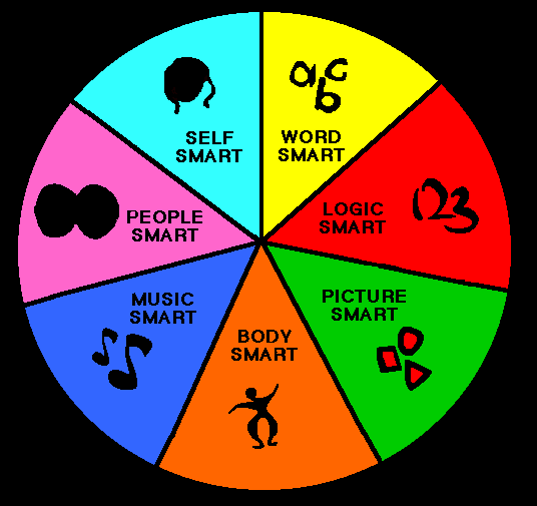
Let’s Look at the two pictures below. On the left side you will notice that we have named the seven (7) senses of the body as primarily responsible in processing the information from the environment.  The vision,  hearing,  smell,  touch,  taste,  movement or kinesthetic sense, and proprioception or position in space sense all come together and interpret the environment for the person based on each of the sensation’s primary function. Thus we call this the Stimulation Source.  We will discuss the details of processing science in the next section. The Stimulation Source in the simplest sense is  the interpretation of the sensations in the brain after it had been given meaning by the cerebral cortex, specifically the temporo-parietal sections. These are the many directions an interpretation of the sensations can be expressed by a person: visual-spatial, bodily kinesthetic,  musical, interpersonal,  intrapersonal, musical,  linguustic, logical-mathematical,  and ecological. These were initially introduced into the mainstream by Howard Gardner in his Theory of Multiple Intelligences.  In our practice however we take it a step further and consider it as the Learner’s Response.  What we have seen is that the interpretation of the senses can only be expressed accordingly based on the abilities of the brain to coordinate the meaning of the sensations received,  thus the Learner’s Response is tied to a person’s natural inclination dependent on the correct release of the information to the external environment.

The Learner's Response: Sensations Transformed into Many Intelligences
The Learner’s Response: Sensations Transformed into Many Intelligences

The Stimulation Source:  Seven Bodily Sesnations
The Stimulation Source: Seven Bodily Senses Gathering Information from the environment

If we created an example from listening to ones ipod,  as soon as the brain realizes that  it’s the sense of hearing that is stimulating it, the sound is processed and given meaning by the cerebral cortex and then sent back out to the Learner. Depending on the Learner’s natural abilities, the responses will vary from person to person. One who is kinesthetic may decide to get up and dance.  One who is visual-spatial may decide to research the singer online for a live version of the song. While someone who is intrapersonal may become reflective and try too recall an association of the song with a memory or a personal thought. This explains why even if the senses are receiving the information from the environment accurately, the responses vary from  person to person depending on their natural ability.

Sensory Processing Science: A. Jean Ayres in User-Friendly Language

Dr. A. Jean  Ayres, the pioneering Occupational Therapist in sensory integration theory summed up best the process of  the body’s ability to process sensory input. She posited that there were 7 steps that went into the brain’s processing: reception, detection, integration, praxis, discrimination, postural responses and modulation. She also did say that these steps are done in heirarchy, in order. If one step is missing, then the processing becomes faulty and the brain will not be able to send out the accurate interpretation to the learner to respond to. And of all of these steps, it is Sensory Modulation that is externalized by the Learner; by having a sensory modulation disorder, that is the obvious signal there is a hiccup in the flow of the sensory system from the einformation gathering to the brain processing, to of course the Learner’s responses.

The Sensory Processing Science: User-Friendly Language

Focus on Sensory Modulation Disorder: Impact on Learner’s Consciousness

As was mentioned in the previous section, it is the Sensory Modulation Section that mist if not all sensory issues are evidenced, based on Learner’s Response.  Now there are several types of Sensory Processing Disorders: Sensory Modulation Disorders (Sensory Hypo and Hypersensitivity,  and Sensory Seeking), Postural Disorders, and Sensory Discrimination Disorders. Of all of these however,  it has bern shown that Sensory Modulation,  the very last step of the hierarchy of sensory pricessing has the most damaging effects on the Learner’s ability to process academic and social information.

For specific details on the manifestations of Sensory Modulation Disorder, we created a table using research information by Carol Kranowitz in her book, The Out of Sync Child.

Refer to the table below:

Synthesized Sensory Modulation Disorder Chart (As Based Off of Carol kranowitz)
Synthesized Sensory Modulation Disorder Chart (As Based Off of Carol Stock Kranowitz)

Now that we have made the connection between the Learner’s Response to Stimulaton Source, how then can we correct the sensory modulation deficits? The answer: An Executive Functioning- Sensory Based Diet of course, composed of targeted activities  from a sensation to cognitive develomental perspective that are aimed to correct the gathering-interpretation process in order to align the learning responses as well . That discussion will be part two of this discussion, the next post to this series. In the meantime, check out our ESNP Recommends tab for more resources and our articles under Body Breakthroughs for additional ideas.

Learning to Test or Testing to Learn?

The focus on reforming education in the twenty-first century has lead to a near obsession with standardization. We have standardized  curriculums, tests, grading, participation, essentially the entire learning process. Yet with this  shift to standardization, we have failed to meet the basic standard of a school, which is a place children come to learn. Pacing calendars, pre-packaged curriculums with differentiated tracks, cookie cutter bubble tests are teaching our children to be ready for a test, one that will rank not only their individual performance against a national standard, but the school’s performance as well. However, this test ultimately seems to prove only one thing, how well a student can take a test.

standardized-test-6

Unfortunately the test heavy focus of education reformation has annihilated a tried and true strategy for learning: testing. Teachers give summative tests at the end of the unit; they provide a study guide a few days before the test, tell students to study and perhaps hold a study session in class. However, according to How We Learn by Benedict Carey, that is not how we learn best if the goal is for information to be retained. We best learn and retain information when we systematically review learned information based on time to test and when we study by testing our knowledge of the information.

Dr. Melody Wisheart and Dr. Harold Pashler found this study interval to be most optimal for retention:


Time to Test

This table provides guidelines for either students or teachers to review material in order to increase retention at time of test. Using this information, teachers and students can intentionally plan study sessions to increase student’s retention of the material. Teachers can  revisit material learned at the beginning of the unit at the first interval and continue to add new material to subsequent study sessions until time of the test. By building in time to review material, teachers are teaching students how to study and providing them opportunities to review material in an effective way. This method is to increase retention of information and works best for facts, definitions, dates,mathematical equations etc.

Testing not studying is the answer to learning. Teachers often design pre-tests to determine what students know and what upcoming lessons need to focus on. However, pre-tests serve an even greater objective: they start the learning process of the material being test, evenwilson-train-the-brain-istock if the student guesses on every single question.  Dr. Robert Bjork found that after a simple experiment with his introductory psychology class that students performed 10% better on questions related to pre-test questions when taking the final exam than on questions with no similar equivalent on the pre-test. Students have the possibility of improving test scores by an entire grade with the addition of a pre-test. Furthermore, testing as a study strategy decreases the illusion of fluency, which tends to occur when students read notes or the text book multiple times as a way to study. Dr. Henry Roediger  theorizes that it forces the brain to do something more challenging that visually or auditorally process information; this additional effort increases the strength at which it is stored and later the ability at which is can be retrieved. Essentially, testing acts as a novel opportunity to learn and store the information; therefore, it becomes stored in a new way in the brain, connecting to other related facts thus strengthen storage and recall.

Testing needs to be re-branded in our classrooms. It can occur through a variety of ways (i.e. conversations with peers, family, other teachers, games, projects, and traditional paper/pencil tests), but  the focus needs to be taken off the final score and placed on the value of knowledge gained, whether that reveals the student knows all of the information in the unit, or she needs to spend more time ‘testing’ her knowledge, to she recalled all of what she knew before and more.

If we start testing to learn, the learning to test will naturally follow.

learn

Text Used in this post: How We Learn: the surprising truth about when, where and why it happens. Benedict Carey. Random House, 2014.